A B2B sale rarely closes in one click. It closes after a whole buying committee has made up its mind, often long before anyone fills in your demo form.
That's what customer acquisition looks like in B2B: lots of people, long cycles and very little patience for generic outreach. Get it wrong and you pay for leads that never become customers. Get it right and each channel starts feeding the next (which is the bit everyone wants and very few have).
This guide covers what B2B customer acquisition is, how to measure it and where the money goes. Then I compare five experts and consultants worth shortlisting in 2026, including our own agency. Yes, I know. I'll try to be fair!
What is B2B customer acquisition?
B2B customer acquisition is the process of winning new business customers, from the very first touch to the signed contract. It covers marketing, sales and the handoff between them.
People often mix it up with the terms next door, so here's how I separate them:
- 🧲 Lead generation: collecting interested contacts. It stops before a deal exists.
- 📣 Demand generation: building awareness and interest so buyers actually want to talk to you.
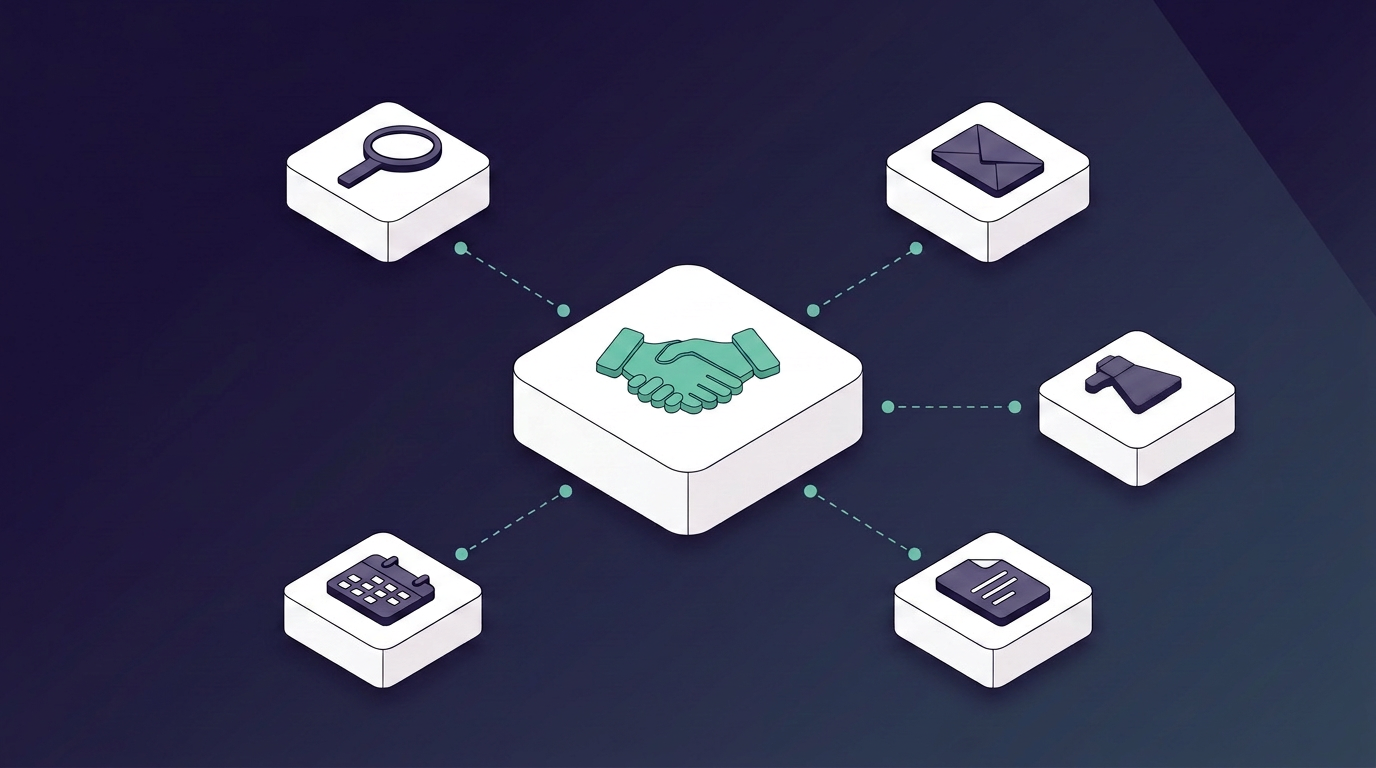
- 🤝 Customer acquisition: owning the full path from stranger to paying customer.
- 🔁 Retention: keeping and growing the accounts you've already won.
Acquisition sits across all of these. And a great lead engine with a weak handoff still produces a weak pipeline. So the real job is joining the steps up, which is far less glamorous than launching a shiny new channel.
Why B2B acquisition is harder than B2C
B2B acquisition is harder because you have to win over a group, across many channels, over months. Forrester's 2026 buying research found the typical buying decision now includes 13 internal stakeholders and nine external influencers. So you're persuading a whole room, and most of them will never take your call.
Those people also research in lots of places. McKinsey's B2B buyer research found B2B customers use an average of ten interaction channels in their buying journey, up from five in 2016.
Forrester also found that generative AI searches are now the starting point for B2B buyers. So your brand has to turn up in AI answers as well as in Google. And buyers then sense-check those answers with colleagues and people they trust outside the business.
What does that mean in practice? One channel and one message won't carry you. You need to be findable and credible at several touchpoints, and you need patience, because cycles run in months.
The main B2B customer acquisition channels
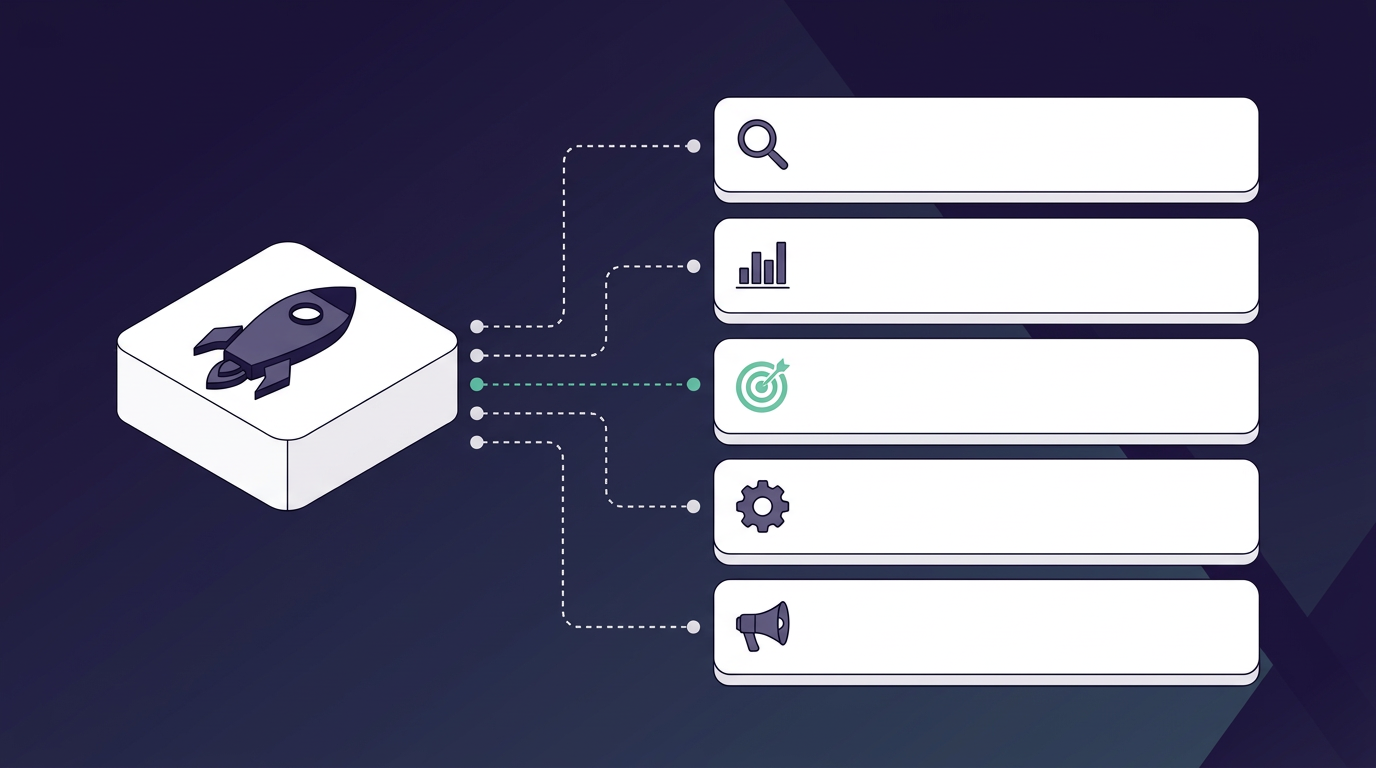
The main B2B customer acquisition channels are outbound, paid, search, content, ABM, partnerships and events. Most startups only need two or three of them at first, and the skill is picking the right ones. These are the options I see working in B2B:
- 📧 Outbound: cold email, LinkedIn outreach and calling. Fast to test, and it works best with a tight target list.
- 💸 Paid search and paid social: capture demand that already exists, or reach specific job titles.
- 🔎 SEO and AI search: compounding visibility for the questions buyers ask. Slow to start, cheap to keep.
- ✍️ Content and thought leadership: proof you understand the buyer's problem.
- 🎯 Account based marketing (ABM): coordinated campaigns aimed at a named list of target accounts.
- 🤝 Partnerships and referrals: warm introductions from people your buyers already trust.
- 🎟 Events: high cost, high trust and genuinely useful for enterprise deals.
Do you need all seven? Honestly, no. Test two or three, measure cost per qualified opportunity and drop the losers without sentiment. That's the logic behind our approach to B2B growth marketing.
How to measure B2B customer acquisition
You measure B2B customer acquisition with customer acquisition cost (CAC), backed up by payback period and a handful of funnel metrics. CAC is your total sales and marketing spend divided by the new customers won in the same period.
Be honest about the cost base and include salaries, software, agency fees and ad spend. As an illustration, say you spend £120,000 in a quarter and win 12 customers. Your CAC is £10,000.
Then pair CAC with payback period: the months of gross profit it takes to earn it back. The widely cited benchmark from SaaS investor David Skok is a lifetime value to CAC ratio higher than 3 to 1. Our guide to calculating and optimising CAC covers the traps that distort these numbers (and there are a few).
I'd track the funnel steps that sit behind CAC too:
- 📈 Pipeline created: the value of qualified opportunities opened each month.
- 🔀 MQL to SQL rate: how many marketing qualified leads (MQLs) become sales qualified leads (SQLs). Low numbers here usually mean sales and marketing disagree on what "qualified" means.
- 🏆 Win rate: the share of qualified opportunities that close.
- ⏱ Sales cycle length: days from first touch to signature.
Experts, consultants, or agencies: which model fits?
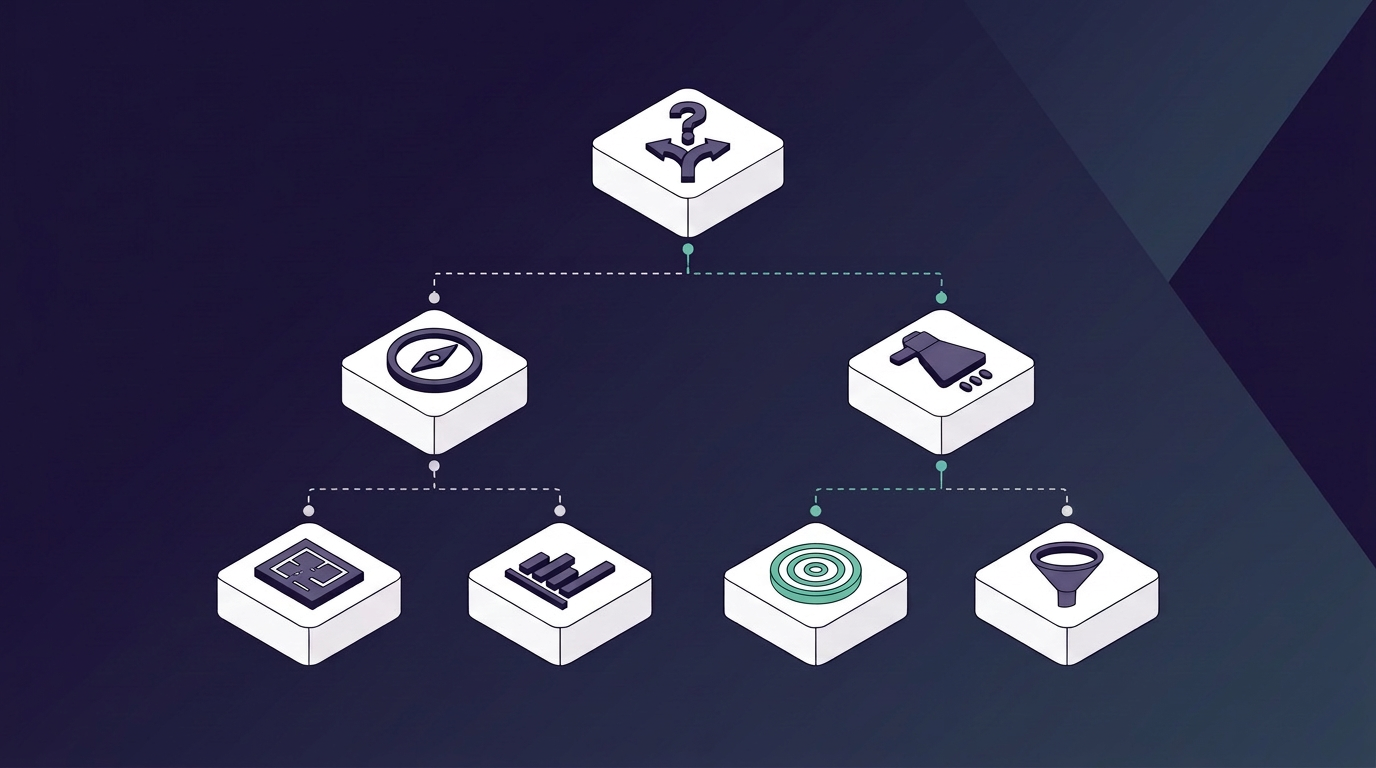
The right model depends on which part of acquisition is broken. You rarely need everything at once. These are the five models I see most often:
- 🧭 Fractional CMO or executive: senior strategy and leadership, usually without hands-on execution.
- 💡 Demand generation consultant: advice and a plan, often with a lean embedded team.
- 📊 Performance agency: a bench of channel specialists running paid media, SEO and creative.
- 📞 Outbound specialist: a team that books meetings through email, calling and LinkedIn.
- 🧪 Channel agnostic growth team: a strategist who picks channels from data, plus experts who run them.
My recommendation is simple. If you don't know your channels yet, start with strategy. If you know them and need volume, hire execution. Hiring execution before strategy is the most expensive mistake on this list, and it's the one I'd most want you to avoid.
The short version: five experts and consultants at a glance
The five experts and consultants I'd shortlist in 2026 are Growth Division, Directive, ToJupiter, Chief Outsiders and Belkins. Growth Division, our growth marketing agency, finds your channels first, then builds a flexible team of fractional experts around them. Directive is a B2B performance agency built around what it calls Customer Generation. ToJupiter embeds a demand generation team inside B2B SaaS companies.
Chief Outsiders supplies fractional chief marketing officers (CMOs) and sales leaders to midmarket firms. Belkins runs outbound programmes that book qualified meetings.
| Expert | Starting Price | Best For | Key Differentiator | Free Trial |
|---|---|---|---|---|
| Growth Division | £5,000/month | Seed to Series B tech startups that need to find channels | Channel agnostic strategist plus GREX AI operating system | None listed |
| Directive | Not published | B2B tech brands wanting pipeline focused performance marketing | DiscoverabilityOS method plus Stratos AI platform | None listed |
| ToJupiter | £7,500 to £10,000/month | B2B SaaS from pre seed to Series C | Embedded team judged on pipeline in your CRM | None listed |
| Chief Outsiders | Not published | Midmarket and private equity backed B2B firms | 100+ fractional executives | 30 day money back guarantee |
| Belkins | Quote based | B2B firms that need booked meetings fast | Outbound appointment setting with a 14 day launch | None listed |
Treat these prices as starting points. Scope, media spend and team size all move the final number.
1. Growth Division: Channel discovery before spend
Disclosure: Growth Division is our own agency, so we're biased. We've tried to score it as hard as the other four.
Growth Division is a growth marketing agency built for tech startups, and for B2B acquisition that means we find your best channels before you fund them. A channel agnostic Growth Strategist designs the plan, then vetted experts run it.
I co-founded a mobile app startup, Ordoo, back in 2015, and building a growth team there is where the idea for Growth Division came from. That's the "Built by Founders for Founders" line on our site (cheesy, I know, but true).
Why it stands out
Engagements start with a 30-minute discovery call, then a free one-hour Bullseye Strategy Session before any spend. Using the Bullseye Framework, we review all 20 traction channels and pick an initial mix of four to six to test. The strategist doesn't sell a channel, so the advice follows the data.
The work then runs on GREX AI, our AI growth operating system. It connects your marketing tools, runs growth experiments and workflows, and tracks performance in real time. Our growth experts stay in the loop to review outputs and make the key decisions.
B2B channels we run include LinkedIn outreach, search ads, paid social, SEO content and AI search. Experts rotate in and out as results come back, so you're not stuck paying for a channel the data has already killed.
Strengths and weaknesses
The strength is the unbiased strategy layer. A single channel agency will nearly always recommend its own channel, and we've got nothing to protect. Terms are flexible with no lock-in, and our own site comparison puts time to start at one to two weeks (capacity allowing!).
But the weaknesses are real. It isn't built for pre PMF startups still searching for a product. You get a flexible expert team, not a large in-house bench. And our brand outside the UK, Europe and the US is still very much a work in progress.
What you'll pay
Growth Division charges per expert per month. Channel experts start from around £1,000 a month each, and a Growth Strategist adds £2,000 to £3,000. Most Growth Division teams cost £5,000 to £10,000 a month (plus VAT).
Who it works with
Growth Division is trusted by 130+ startups, scaleups and SMEs, and holds a 4.7 rating on Clutch from 31 reviews. Named clients include Oddbox, SeedLegals, Weavr, Prolific and Tutorful.
For Weavr, we delivered 390+ MQLs in the first 12 months, an 87% increase in monthly SEM leads and 35x ROAS on search ads. Musiversal went from $100k to $1.2M ARR in 12 months, with 2,000 leads a month and its $30 CPL target hit seven months early. And for Unlock, we added £160k+ ARR at £101 per qualified demo.
"They execute on our goals but also bring hugely valuable insights and perspectives to our campaigns, that we wouldn't have thought of." Sasha Small, Head of Growth, Unlock
2. Directive: Customer Generation for B2B tech
Directive is a B2B marketing agency that has served B2B businesses since 2013. Its pitch is Customer Generation, which it frames as moving the focus from MQLs to qualified pipeline and revenue. It describes itself as proudly independent and not part of a media conglomerate.
The team claims 130+ marketing strategists, with offices in Orange County, Austin, New York City, Mexico City, London and Toronto.
Why it stands out
Directive's method is called DiscoverabilityOS. It aims to tie brand and demand to one outcome, qualified pipeline, by aligning programmes to how your ideal customer discovers, evaluates and decides.
Services cover paid media, SEO and content, creative, programmatic and revenue operations (RevOps). It also offers lean growth programmes for startups. And Stratos, its AI powered platform, pulls CRM, paid media, SEO and ops data together.
Strengths and weaknesses
Directive's breadth is its strength. It works with B2B firms across technology, industrial and services, with offices in several time zones. That suits teams who want one partner for paid, search and reporting.
The trade-off is clarity. Customer Generation is never pinned down as a defined package on its homepage, and pricing isn't listed. Its client logos lean towards larger brands, so I'd ask what a startup engagement looks like in practice.
What you'll pay
Directive doesn't publish pricing. Its calls to action point to a partnership conversation and an audit. Expect a scoped proposal, and ask whether ad spend sits on top of fees.
Who it works with
The site shows logos including Calendly, Adobe, Cisco, ZoomInfo, Gong and SentinelOne. It doesn't describe the work done for each one on the homepage, so ask for case studies at your stage before you commit.
3. ToJupiter: Embedded demand generation with published prices
ToJupiter is a London agency that embeds as a demand generation team inside B2B SaaS companies, from pre seed to Series C. It judges success on qualified pipeline in your own CRM rather than impressions or MQLs.
Co-founders Leonardo Pizarro and Segev Hochberg both come from startup operating roles. Pizarro has scaled martech and cybersecurity startups from $3M to $15M+ ARR. Hochberg co-founded Lunio and led it from zero to $10M ARR.
Why it stands out
The model is refreshingly simple: the people on the sales call are the people doing the work. There are no account managers sitting between strategy and execution.
The scope is broad. It covers messaging, paid media, SEO and GEO, ABM, webinars and sales enablement. It also built Airlock, a dashboard that puts channels, attribution and account intent in one place.
Strengths and weaknesses
ToJupiter's strength is transparency. Prices are public, there's no setup fee, and the pitch ties results to pipeline in your CRM. That's rare in a market where most agencies make you book a call before you see a single number.
The limits are specific. It only serves B2B SaaS, and there's a three-month minimum. Ad spend is billed separately, and the headline figures are self-reported.
What you'll pay
ToJupiter charges a fixed monthly fee in pounds. The Embedded Marketing Revenue Team costs £7,500 to £10,000 a month. The Paid Media Growth Package costs £4,500 to £5,500 a month for ad spend under £50k a month.
Who it works with
Named clients include Reachdesk, SearchPilot, usecure, Netacea and Eye Security. Its case figures include $1.27M in new pipeline for SearchPilot and 96 conversions in three months for usecure. The site also claims an 82% lower cost per acquisition and a 20:1 pipeline to spend ratio.
4. Chief Outsiders: Fractional executives for midmarket B2B
Chief Outsiders is a Houston based growth consulting firm that places fractional and interim CMOs and chief sales officers inside client businesses. It says it has been pioneering fractional leadership for 16 years.
Its homepage headline cites 100+ fractional executives, while its FAQ section cites 120+, so ask for the current number.
Why it stands out
The firm sells leadership first and hands-on help second. A fractional executive aligns your team and leads go to market. Team Outsiders then adds specialists for implementation when you need extra hands.
It also runs GrowthGears OS, an AI enabled method built around insight, strategy and execution. Engagements scale up or down with 30 days' notice, and there's a 30 day money back guarantee.
Strengths and weaknesses
The strength is seniority without the full time salary. You get an experienced commercial leader for a fraction of a permanent hire, and it serves many sectors, from manufacturing to SaaS.
The weakness is stage fit. The firm focuses on midmarket and private equity backed companies, so seed stage startups aren't really its crowd. Pricing isn't published, and the firm's own client counts vary between 2,000+ and 2,500+ on the same page.
What you'll pay
Chief Outsiders doesn't publish rates; you schedule a consultation to learn the cost. It argues fractional leaders cost less than full time hires but gives no figures.
Who it works with
The firm lists an NPS of 70+. One case shows Einstein Moving growing sales 21% in four months. Another reports $30 million of growth for Anguil Environmental Systems, three times its target.
5. Belkins: Outbound meetings on a short fuse
Belkins is a B2B lead generation agency that has run outbound programmes since 2017. It calls itself the number one B2B lead generation agency, and reports a 4.9 Clutch score from 230 reviews.
It's the most tactical option here. What you're buying is booked meetings, and the strategy is there to serve that.
Why it stands out
Services include appointment setting, cold email, cold calling, LinkedIn lead generation and outsourced sales development reps (SDRs). It also offers ABM and deliverability consulting. That last one matters more than people think, because poor email setup kills outbound before anyone reads a word.
Speed is the pitch. Belkins says campaigns launch within the first 14 days and first appointments land within the next 30. It reports 100 to 400+ qualified appointments a year for clients.
Strengths and weaknesses
Outbound is the fastest channel to test, and Belkins specialises in it. The programmes are built around a clear target list, which gives you early signal on your market.
But it's one channel. Appointment volume doesn't equal revenue, and results depend on your offer and ideal customer. Most figures on its site are self reported, and Belkins itself notes its outcomes are averages that depend on multiple factors.
What you'll pay
Belkins doesn't publish prices. Its pricing page lists monthly retainer packages by yearly appointment volume, with a quote on request. I'd ask what's included, how many contacts are in scope, and who owns the domains and data.
Who it works with
The firm cites 1,000+ clients. Case studies include 320+ appointments in 12 months for Omnicharge and 145 in nine months for ed2go, the Cengage owned online education provider. OpenTeleHealth booked 116 in four months.
Frequently asked questions
What is B2B customer acquisition in one sentence?
It's the process of turning target businesses into paying customers. That covers marketing, sales and the handoff between them. The best programmes measure cost and payback by channel.
How much does B2B customer acquisition cost?
It varies by market and deal size. Published prices in this guide start at £4,500 a month for paid media, and a typical Growth Division team starts at £5,000. Always calculate your blended CAC, including salaries, tools and ad spend on top of the agency fee.
Should I hire an expert, a consultant, or an agency?
Match the model to the broken part. Hire a fractional executive for strategy, and an agency for volume in a proven channel. Hire a channel agnostic team when you still need to find the channel.
How long does B2B customer acquisition take to work?
Longer than most founders expect. Outbound can show signal in weeks, while SEO and AI search compound over months. Growth Division's own process starts by testing a mix of four to six channels, then doubles down on the ones the data backs.
Which channel should I start with?
Start where your buyers already are and where you can measure fast. Outbound and paid search suit early tests. SEO and content are slower but cheaper to maintain over time.
Is it better to hire in-house?
Rarely at an early stage. Growth Division's own comparison puts an in-house hire at two to six months to start. An external team can start in one to two weeks, and you can swap skills without a new hiring cycle.
Conclusion: Start with the broken step, then pick the expert
Start by naming the step in your acquisition that's stuck, then pick the expert built for that step. My honest take on who fits where:
- 🚀 Seed to Series B tech startup still finding scalable channels? Growth Division is the strongest fit here (biased, but I'd still say it).
- 📊 Want a bigger performance bench across paid and search? Directive deserves a look.
- 🧾 B2B SaaS that wants an embedded team with public prices: consider ToJupiter.
- 🏢 Midmarket or private equity-backed firm that needs senior leadership? Talk to Chief Outsiders.
- 📞 Got a clear target list and want meetings fast? Test Belkins.
Not sure which channel deserves your next £10,000? Book a Bullseye Call with me and we'll map your options in an hour, with no lock-in and no pitch for a channel you don't need.