
Your sales team keeps saying the leads are rubbish. And they're often half right! Marketing hit its form fill target, but nobody who filled in a form was ready to buy.
That gap is exactly what demand generation exists to close. A Gartner survey of 632 B2B buyers found 61% prefer an overall rep-free buying experience. So by the time they talk to you, the shortlist is usually already written.
Which means the agency you hire has to build demand before buyers raise a hand. I've reviewed five UK B2B demand generation agencies that do this in very different ways, and each profile below covers pricing, results, trade offs and who it's actually built for (yes, one of them is ours, more on that in a second).
The best B2B demand generation agencies in the UK at a glance
The five best B2B demand generation agencies in the UK in 2026 are Growth Division, Gripped, Velocity Partners, Skale and WeScaleStartups. Growth Division, our growth marketing agency, runs channel agnostic demand programmes for tech startups from seed to Series B. Gripped is the London specialist for B2B SaaS companies with £2M to £50M in annual recurring revenue (ARR), and Velocity Partners brings story led creative to enterprise B2B tech.
Skale builds organic demand through search and AI search for SaaS brands. WeScaleStartups pairs fractional CMO leadership with growth sprints for startups that have already found product market fit (PMF).
The table below compares them on published pricing and fit. Where an agency doesn't publish a price, I've said so rather than guess.
| Agency | Starting Price | Best For | Key Differentiator |
|---|---|---|---|
| Growth Division | £5,000/month for a typical team | Seed to Series B tech startups that need channel clarity | Unbiased Growth Strategist, expert network, and GREX AI operating system |
| Gripped | £5,000/month retainers (plus media) | B2B SaaS and AI firms at £2M to £50M ARR | Paid media and SEO tied directly to pipeline |
| Velocity Partners | Not disclosed | Enterprise B2B tech brands with complex products | Story led strategy and creative from a London and New York team |
| Skale | Not disclosed | SaaS companies wanting organic pipeline and AI search visibility | Revenue first SEO measured on MRR and CAC payback |
| WeScaleStartups | £2,000 diagnosis, £5,000/month fractional CMO | Post PMF startups needing senior growth leadership | Published pricing and sprints your team can own |
What counts as B2B demand generation in 2026
B2B demand generation builds buyer interest before anyone is ready to talk, while lead generation captures interest that already exists. Both matter. They're just different jobs, and plenty of budgets lump them together.
I've watched founders buy paid search and call it demand generation. Is that wrong? Well, paid search is useful, but it only catches people who are already looking. Our breakdown of growth marketing vs demand generation shows where the line sits.
The B2B Institute's research argues that brands grow by reaching buyers who aren't in market yet. That's the part most agencies skip, because it's harder to report on in a monthly deck (and nobody loves a slide that says "trust us, it's working").
So my test for any agency has two parts. First, ask whether they can show pipeline numbers alongside lead numbers. Then ask what they do for buyers who aren't searching yet.
1. Growth Division: Channel Agnostic Demand Programmes for Tech Startups
Disclosure: Growth Division is our own agency. We think it earns a spot here, but we're obviously not neutral, so weigh our view accordingly.
Growth Division treats demand generation as one part of a wider growth system, built for tech startups with the UK as its primary market. The team has worked with 130+ startups, scaleups and SMEs.
You don't buy a fixed team. You get a Growth Strategist plus vetted channel experts who rotate in as experiment data comes back. If LinkedIn works, that expert stays, and if it doesn't, they're swapped out without a hiring cycle.
The strategy layer runs first. Every engagement starts with a Bullseye Call, which uses the Bullseye Framework to review the traction channels and pick an initial mix of four to six to test. The team then runs the work through GREX, its AI growth operating system.
What they actually do
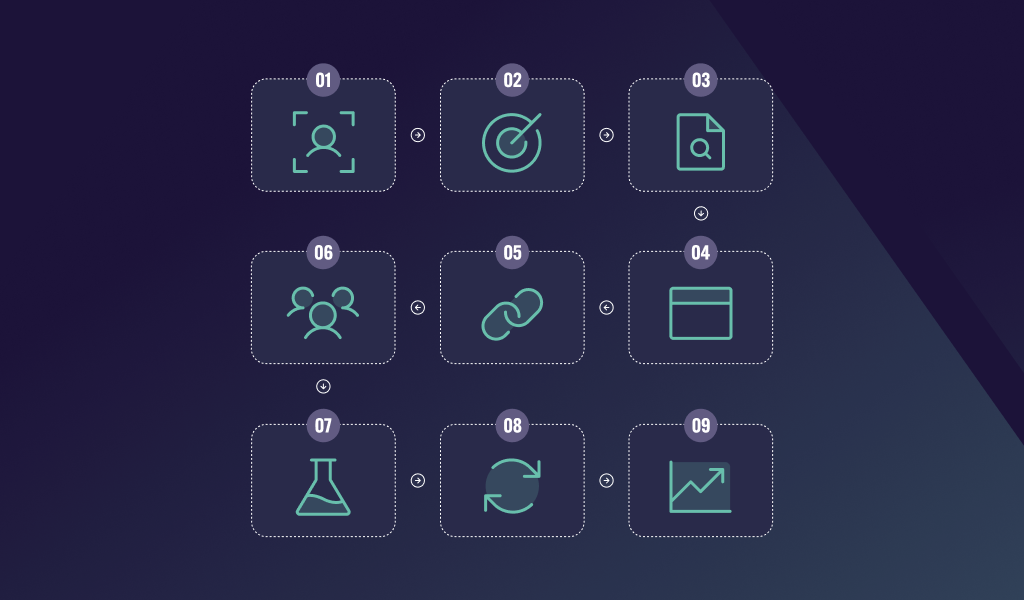
The demand generation service runs on a 90 day cycle that blends content, paid media and outreach rather than leaning on one channel. Each cycle follows the same four steps:
- 🎯 Define the audience and refine the message
- 🧱 Pick channels and build the content
- 🚀 Launch campaigns and track performance
- 📈 Test and optimise against pipeline contribution, with surface metrics treated as a side note
The channel mix covers content and SEO, paid social, LinkedIn ads, nurture flows, sales enablement and direct outreach. Landing page optimisation sits alongside all of it.
What it costs
Growth Division charges per person per month. A channel expert costs around £1,000 a month and a Growth Strategist runs £2,000 to £3,000, so a typical full team lands between £5,000 and £10,000 a month (plus VAT).
Those fees pay for people, so plan your ad budget separately. There are no long lock ins, which matters when experiments tell you to change direction.
Where it shines, and where it doesn't
Pros:
- 🧭 Channel recommendations come from experiment data, because there's no in house channel to sell you
- ⏱ Work starts within one to two weeks
- 🔁 Flexible terms let you change the team as results land
- 🛠 I've built and grown a funded startup myself (Ordoo, back in 2015), so the founder side of the table is familiar
Cons:
- ❌ It's a poor fit for pre-PMF startups still searching for a product
- 🧩 Fractional experts mean no large dedicated in house bench
- 💷 Pricing sits close to other agencies, so you won't get a bargain
- 🌍 Brand awareness outside the UK startup scene is still growing (I'd love to say otherwise!)
Who's using it
Growth Division holds a 4.7/5 rating on Clutch across 31 reviews. Weavr generated well over 175 marketing qualified leads (MQLs) and saw an 87% rise in monthly search ad leads.
Musiversal grew from $100k to $1.2M ARR in 12 months, generating 2,000 leads a month while keeping cost per lead under $30. Unlock booked 100+ demo meetings in the first three months and added £160k in ARR over 15 months.
Other named clients include SeedLegals, Prolific and Tutorful.
2. Gripped: Pipeline Focused Paid Media for B2B SaaS
Gripped is a London agency that works only with B2B SaaS, AI and tech companies. Founders Steve Eveleigh and Ben Crouch have worked in SaaS since 2004, and the agency has about 25 staff based in Southwark.
The pitch is turning paid media spend into pipeline you can trace to revenue, with vanity metrics ignored. The focus is on companies between £2M and £50M ARR, typically Series A through growth stage.
That focus is a strength and a filter. Gripped says plainly that it doesn't work with pre-seed or pre-PMF companies.
What they actually do
The service list is full funnel. It covers strategy and GTM planning, demand generation, paid media on Google and LinkedIn, SEO and generative engine optimisation (GEO), with account based marketing (ABM) and conversion focused web design rounding it out.
Gripped is a HubSpot Partner and a Google Partner. That matters if your stack already runs on HubSpot and you want attribution that sales will trust.
What it costs
Retainers run from £5,000 to £15,000 a month, and most clients invest £8,000 to £12,000. Media spend is billed separately and goes directly to the ad platforms. Clutch lists a $5,000 minimum project size.
Where it shines, and where it doesn't
Pros:
- 📊 Pipeline and revenue reporting is built into how the team works
- 🔎 Paid, SEO and GEO sit under one roof
- ⭐ Review quality is high, with 4.9/5 on Clutch across 32 reviews
- 🎯 Deep SaaS focus means no generalist playbooks
Cons:
- ❌ Pre-seed and pre-PMF companies are explicitly out of scope
- 💷 Retainer plus media spend adds up quickly
- 🐢 It's a traditional agency structure, so changing channel priorities mid quarter is slower
- 📣 Paid media is assumed to be in scope for most engagements
Who's using it
Client logos include Ideagen, Epicor, Ravelin, Crownpeak, Searchlight Cyber and Zapnito.
Published results include a 252% rise in opportunity value from Google search ads and a 108% year over year rise in sales opportunities from paid channels. One client generated £1.3M in new pipeline in a single quarter. Not too bad hey?
3. Velocity Partners: Story Led Demand Creation for Enterprise B2B Tech
Velocity Partners is a B2B marketing agency with offices in London and New York. It says it helps B2B marketers "tell great stories about stuff it's hard to get your head around", which is a fair description of most enterprise software!
The agency combines strategy, creative and performance work in one team. This is the most brand and content heavy option on the list.
If your product takes ten minutes to explain, that's where Velocity earns its fee. Its strength is making complicated things clear, then pushing them to the right buyers.
What they actually do
Strategy covers brand identity and campaign planning. Creative covers digital content, copywriting and design across formats, and performance covers paid search, campaign analytics, marketing operations and ABM programmes.
The site now says Velocity is becoming Pretzl, a company that uses AI, data and creativity to run programmes around real buying journeys. So ask what the agency offer looks like today before you shortlist it.
What it costs
Velocity doesn't publish pricing. Treat this as a scoped, quote based engagement and ask for a range in your first call. If a founder can't get a number before a proposal, that tells you something about fit.
Where it shines, and where it doesn't
Pros:
- ✍️ Strong at positioning and storytelling for hard to explain products
- 🏢 Enterprise credentials across big B2B tech names
- 🤝 Creative and performance work sit in one team
- 🌉 London and New York coverage suits transatlantic launches
Cons:
- 💷 Pricing is opaque, so budgeting takes a conversation
- 🏗 It's built for established tech brands more than seed stage startups
- 📉 Public case studies share few hard numbers, so ask for pipeline data
- 🔄 The move to Pretzl makes the current agency offer worth confirming
Who's using it
Named clients include Amazon, Citrix, Demandbase, Geotab, HubSpot, LiveRamp, Salesforce, Trustpilot and Workday. Case studies cover a go to market strategy and awareness campaign for Geotab, plus brand repositioning for OnProcess.
4. Skale: Organic Demand and AI Search for SaaS Brands
Skale is a London based organic growth agency for SaaS and tech brands. It builds demand through search and AI search rather than paid media.
I include it because organic search is where in market buyers find you. Strictly, that's demand capture (but it compounds over time, which I love). Skale also builds visibility in AI search, which is a growing starting point for buyer research.
Skale talks about generating new monthly recurring revenue (MRR) and a profitable customer acquisition cost (CAC) payback in under 12 months. That's a refreshingly honest metric for an SEO agency!
What they actually do
The work covers SaaS SEO, content production, link building and outreach, and website migrations. On top sits generative engine optimisation, which aims to get your brand cited in AI answers, and Skale also tracks AI brand mentions.
What it costs
Skale doesn't publish pricing on its site. Expect a retainer model, and ask how much of the fee goes to content versus strategy. Organic work needs patience, so budget for at least two quarters before judging it.
Where it shines, and where it doesn't
Pros:
- 💰 Revenue first reporting rather than traffic and rankings
- 🎯 SaaS only, so the playbooks are specific
- 🤖 A strong AI search offer
- ⭐ Review quality is high, with 4.9/5 on Clutch across 16 reviews
Cons:
- ❌ It's organic only, with no paid media or outbound
- ⏳ Returns take months, which doesn't suit a startup with a short runway
- 🔍 Early stage companies may not have validated their search opportunity yet
- 🤝 You'll need a second partner for paid or outreach channels
Who's using it
Clients include Maze, Slite, Flodesk and G2. Published results include Rezi up 176% in revenue and Holded up 450% in monthly signups, while Attest saw a 520% rise in demo requests and Happy Scribe grew organic signups by 2,500%.
5. WeScaleStartups: Growth Sprints and Fractional CMO Support
WeScaleStartups is a small London agency based on Curtain Road in Shoreditch. It focuses on post-PMF startups in SaaS, AI, fintech and healthtech, from seed to Series B, with real traction but inconsistent pipeline.
The pitch is clarity over tactics. The goal is to leave you with research, an experiment engine and a weekly testing rhythm your team owns, so you aren't paying an agency to run everything forever.
What they actually do
The offer is tiered. It runs from a growth diagnosis, through a 90 day sprint, to a full acquisition build, and a fractional CMO tier adds senior leadership with weekly cadence and board ready reporting.
That ladder is useful if you're not sure how deep to go. You can start small and step up.
What it costs
WeScaleStartups publishes its prices, which is rare in this market:
- 🔍 Growth Diagnosis: £2,000 to £4,000
- 🏃 90 Day Growth Sprint: £8,000 to £12,000
- 🏗 Acquisition System Build: £15,000 to £25,000
- 🧑💼 Fractional CMO: £5,000 to £8,000 a month, with a three month minimum
Where it shines, and where it doesn't
Pros:
- 💷 Transparent pricing and clear entry points
- 🧠 Senior leadership without a full time CMO salary
- 📘 Systems and playbooks your team keeps after the engagement
- 🤝 Strong ties to the UK startup ecosystem
Cons:
- 👥 It's a small team, so large scale multi channel execution is limited
- 📣 Channel breadth leans toward paid social, Google and SEO
- 🏷 It has fewer big brand logos than the larger agencies here
- ❌ Pre-PMF startups are outside its sweet spot
Who's using it
The agency reports £18M+ in revenue influenced and £6M+ in paid acquisition spend managed. It also cites 479+ founder sessions with a 4.97/5 average mentor rating. These are self reported figures, so ask for references.
Case studies include Ned in fintech, with 500+ sign-ups in two months from paid search, and eQuoo in mental health. The site also lists mentoring and teaching links with Google for Startups, Cambridge Judge Business School, Techstars and Imperial College London.
How to choose between them
Choose by your stage first. Gripped and Velocity Partners suit companies with proven product market fit and real budgets, while Growth Division and WeScaleStartups are built for earlier teams that still need to find which channels work.
Then look at what you're missing. If you lack a plan, buy strategy first. If you lack capacity or search visibility, buy execution or organic.
Finally, check the model against your risk. A fixed retainer with a traditional agency is predictable, and a fractional model lets you change direction faster when the data says so.
📕 Want the full checklist? Read our agency selection guide before you book any calls.
Whichever you shortlist, I'd ask these on the first call:
- 📊 Which pipeline numbers can you show from a client at my stage?
- 🧲 What do you do for buyers who aren't searching yet?
- 🔁 How quickly can you change channels if the data turns against one?
Frequently asked questions
What's the difference between a demand generation agency and a lead generation agency?
A lead generation agency captures buyers who already want something. A demand generation agency also builds interest in buyers who aren't looking yet. The second job is harder to measure, but it's what fills the pipeline six months out.
How much do B2B demand generation agencies cost in the UK?
Published numbers on this list start at £2,000 for a diagnosis. Monthly retainers run from about £5,000 to £15,000, and Gripped says most of its clients spend £8,000 to £12,000. Media spend is almost always on top.
How long before demand generation shows up in pipeline?
Expect early signal in the first quarter and real pipeline over the next two or three. Growth Division's first 90 days focus on audience, message and baseline reporting, and Skale targets a profitable CAC payback in under 12 months.
Should a seed stage startup hire a demand generation agency?
Only if you have product market fit. If you don't, you're paying to scale a guess. Growth Division and WeScaleStartups are the most realistic fits here, while Gripped explicitly avoids pre-seed and pre-PMF companies.
Do I need one agency for everything?
No. Many teams pair a strategy partner with a specialist for a single channel. Just make sure someone owns the overall plan, or the channels will compete against each other.
So which one should you pick?
For seed to Series B tech startups still finding a scalable channel, I'd pick Growth Division. The strategy layer runs before spend, and the team adapts as data arrives (I would say that, wouldn't I? Which is exactly why the disclosure is at the top).
For B2B SaaS companies at £2M to £50M ARR with a paid budget, Gripped is the closest specialist. If your product is complex and needs a story, look at Velocity Partners, and if you need senior leadership on a budget, WeScaleStartups is the transparent choice.
If organic search and AI visibility are your lever, Skale is built for it, and plenty of teams will pair it with one of the others.
Not sure which model fits your pipeline problem? Book a free Bullseye Call and we'll map your channels before you commit a pound of budget.